
CERTIFIED NO MORE MR. NICE GUY RECOVERY
Stop sacrificing your integrity for approval. Break the cycle of covert contracts, passive resentment, and silent frustration. Reclaim your core masculine power, set unshakeable boundaries, and build authentic relationships on your own terms.
100% Confidential · Direct Mentorship with Chuck Chapman · Zero Fluff
COVERT CONTRACTS & SUPPRESSED NEEDS
THE NICE GUY
TRAP
Living by unwritten rules and silent expectations does not make you noble: it leaves you resentful, exhausted, and misunderstood. See the clear dividing line between chronic people-pleasing and grounded masculine integration.
THE PASSIVE CONDITIONING
THE NICE GUY
Trapped in the endless cycle of external validation, unspoken bargains, and chronic self-denial.
- Relies on Covert Contracts: Giving with secret, unspoken expectations, breeding rage when unmet.
- Suppresses authentic desires and boundaries out of terror of conflict, disapproval, or abandonment.
- Fixes, rescues, and manages everyone else's emotional states while neglecting personal well-being.
- Hides perceived flaws and mistakes in shame, creating a false persona designed solely to look 'safe'.
- Accumulates toxic passive-aggressive resentment that silently corrodes relationships and self-worth.
THE GROUNDED SHIFT
THE INTEGRATED MAN
Rooted in radical personal responsibility, unapologetic boundaries, and self-defined integrity.
- Communicates directly and asks for what he wants cleanly, eliminating unspoken covert contracts.
- Holds unshakable boundaries with confidence, willing to navigate healthy friction without guilt.
- Makes personal needs a priority without apology, knowing self-care fuels real generosity.
- Accepts his flaws and vulnerabilities with maturity, entirely detached from the need for false perfection.
- Embodies authentic masculine presence, creating safety and genuine passion in his relationships.
Structured recovery rooted in Dr. Robert Glover's certified clinical breakthrough framework.
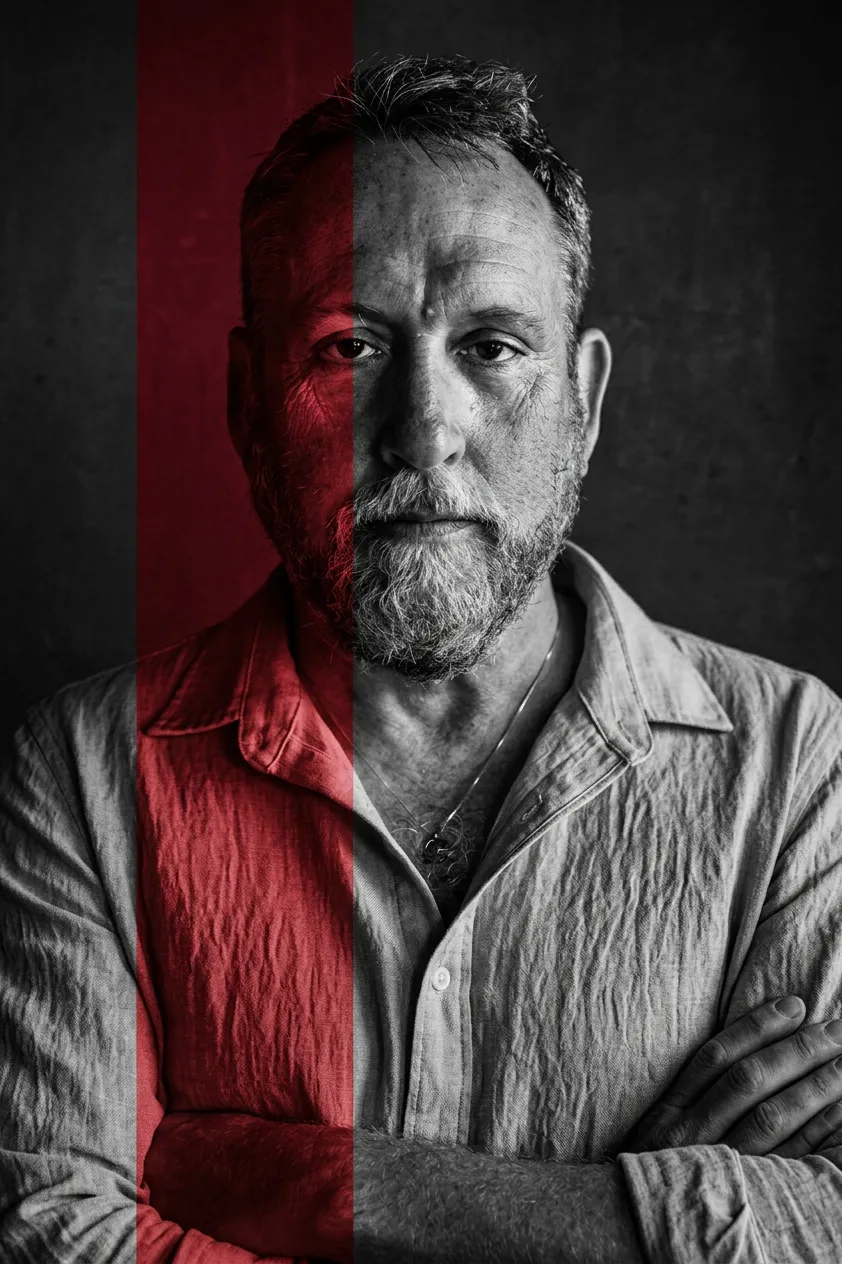
chuck chapman m.a.
YOUR GUIDE TO
INTEGRATION
Grounded in decades of clinical mentorship and direct collaboration with Dr. Robert Glover on the No More Mr. Nice Guy framework, Chuck Chapman guides men out of passive-aggressive covert contracts and into authentic personal agency. His methodology strips away the paralysis of people-pleasing, teaching you how to hold firm boundaries without resentment or apology.
With over 20,000 clinical hours working with men, Chuck has worked closely with Dr. Glover helping develop products and services for Nice Guy Recovery. He is the Author of No More Mr. Nice Guy: The 30-Day Recovery Journal with Robert Glover giving his full endorsement.
CERTIFIED 'NO MORE MR. NICE GUY' COACH & LICENSED THERAPIST
THE INTEGRATED RECOVERY FRAMEWORK
PILLARS OF
MASCULINITY
A rigorous, uncompromising methodology engineered to break covert contracts, dismantle people-pleasing, and build decisive personal sovereignty.
SET BOUNDARIES
Eliminate fear of conflict. Learn to establish unapologetic non-negotiables, communicate refusal without guilt, and protect your integrity in relationships.
END ISOLATION
Stop hiding your flaws behind isolation. Build robust masculine brotherhood, connect with safe accountability partners, and drop the lone-wolf defense mechanism.
OWN YOUR NEEDS
Stop expecting others to read your mind. Ask for what you want directly, take radical ownership of your fulfillment, and kill passive-aggressive manipulation permanently.
What others have said
BROTHERHOOD OF
RESULTS
Over 1,200 men have walked away from validation-seeking, killed covert contracts, and reclaimed their self-respect. These are unfiltered accounts from men who stopped avoiding conflict and started commanding real presence in their lives.
★ ★ ★ ★ ★
"Chuck taught me how real connection works in a way no one had ever explained it before. I used to feel isolated in my marriage, but now I have the tools and the mindset to lead with an open heart, with stillness and strength. It's completely changed how my wife and I relate to each other."

"Chuck has a way of seeing exactly whats going on in your life that's causing you problems, even when you can't see them. I was the classic Nice Guy, but working with Chuck I was able to see just how the things that I thought were doing that would bring me what I wanted, actually did the opposite. I'm finally getting what I want out of life with no excuses."

"Chuck doesn't teach you to be an aggressive jerk: he teaches you to be an integrated man with an authentic backbone. Within 60 days, my quiet resentment and Nice Guy Behavior completely vanished."

RADICAL ACCOUNTABILITY : DIRECT BOOKING
CLAIM YOUR
POWER
Stop waiting for permission to live honestly. Secure an intensive 1-on-1 diagnostic consultation to break approval addiction, establish unbreakable boundaries, and reclaim your authority.
STRICT PROTOCOL : 6 SLOTS / WEEK
NO HIDING.
NO EXCUSES.
The integrated man takes immediate responsibility for his growth. Chuck Chapman limits direct 1-on-1 consultations to preserve rigorous focus and complete personal engagement.
SAFE PERSON VERIFIED
Direct confidentiality. Chuck Chapman is a Licensed Professional Counselor in the state of Oregon, Washington, and Idaho and master certified No More Mr. Nice Guy coach.
Direct Office Support:
[email protected]
Private Session Hotline: (503) 804-4133
CERTIFIED 'NO MORE MR. NICE GUY' COACHING & MASCULINE INTEGRATION
Mentorship, integration programs, and intensive breakthrough roadmaps founded on the transformative frameworks established in Dr. Robert Glover's groundbreaking work, No More Mr. Nice Guy. Chuck Chapman provides executive, personal, and relational leadership training designed to dismantle covert contracts, eliminate passive-aggressive validation seeking, and build unwavering masculine boundaries.


DISCLAIMER & LEGAL DISCLOSURE: The coaching and educational programs facilitated by Chuck Chapman are designed for self-development and personal empowerment. While Chuck Chapman is a licensed clinician in his respective jurisdiction, direct online coaching, digital courses, and group workshops do not constitute a formal doctor-patient relationship, psychiatric diagnosis, or emergency mental healthcare. If you are experiencing acute psychiatric distress or immediate crisis, please contact local emergency medical services promptly.
© 2026 Chuck Chapman Coaching. All Rights Reserved. 'No More Mr. Nice Guy' is a registered title and intellectual property of Dr. Robert A. Glover, used under certified coaching affiliation and educational authorization.